What Sets a Reliable Water Treatment Provider Apart
Many industrial water systems appear to be operating as expected. Test results fall within range, equipment is running, and service visits from the water treatment provider are being completed, giving the impression that everything is under control.
In reality, that is not always the case. Underlying issues can sit unnoticed for long periods, with small inefficiencies building over time and early warning signs either missed or not acted on. By the time a problem becomes visible, it often requires more time, cost, and disruption to resolve.
This is where the quality of your water treatment provider becomes important. The difference is not in whether a program exists, but in how well it is managed. A reliable water treatment provider understands the system, recognises changes early, and maintains control over performance as conditions shift.
Water treatment programs rarely fail outright. More often, they lose effectiveness over time. What begins as a minor oversight can become a recurring issue, with results accepted at face value and small changes in system behaviour not followed through. Individually, these moments seem insignificant, but over time, they begin to form a pattern.
In many cases, the structure of the program is not the problem. Tasks are defined, and servicing continues as planned. The gap lies in how consistently the program is managed and how closely the system is being assessed. Without that level of attention, programs can lose effectiveness without it being immediately obvious, with information reviewed in isolation rather than in the context of longer-term performance
These issues rarely come from a single failure. More often, they reflect small but consistent gaps in how a program is delivered day-to-day. Individually, they may not seem significant, but together they can affect how well the system is understood and managed. In practice, these gaps tend to show up in a number of common ways:
Reactive Servicing Instead of Proactive Management
Missed Early Warning Signs
Poor Interpretation of Results
Inconsistent Servicing and Follow Through
Weak Understanding of Compliance Requirements
On their own, each of these issues can seem manageable. In practice, they often overlap and reinforce each other, making it harder to maintain a clear understanding of how the system is actually performing.
When these gaps begin to overlap, the impact becomes more noticeable in how the system performs. Recurring issues start to feel routine, with the same faults addressed repeatedly without resolving the underlying cause. What should be isolated problems gradually become part of normal operation.
This also affects cost and efficiency. Chemical usage can become less predictable, inefficiencies develop within the system, and more time is spent responding to issues rather than preventing them. While these changes may be minor at first, their impact increases as performance declines.
Compliance can also become harder to maintain. When results are not properly interpreted or followed up, and servicing lacks consistency, systems can move out of alignment without it being immediately clear. Often, this only becomes apparent once results fall outside acceptable limits or the system comes under additional scrutiny.
Over time, reliability decreases, efficiency declines, and risk increases. The system may continue to operate, but not at the level it should. Without a clear understanding of what is driving these changes, maintaining control becomes increasingly difficult.
This also affects cost and efficiency. Chemical usage can become less predictable, inefficiencies develop within the system, and more time is spent responding to issues rather than preventing them. While these changes may be minor at first, their impact increases as performance declines.
Compliance can also become harder to maintain. When results are not properly interpreted or followed up, and servicing lacks consistency, systems can move out of alignment without it being immediately clear. Often, this only becomes apparent once results fall outside acceptable limits or the system comes under additional scrutiny.
Over time, reliability decreases, efficiency declines, and risk increases. The system may continue to operate, but not at the level it should. Without a clear understanding of what is driving these changes, maintaining control becomes increasingly difficult.
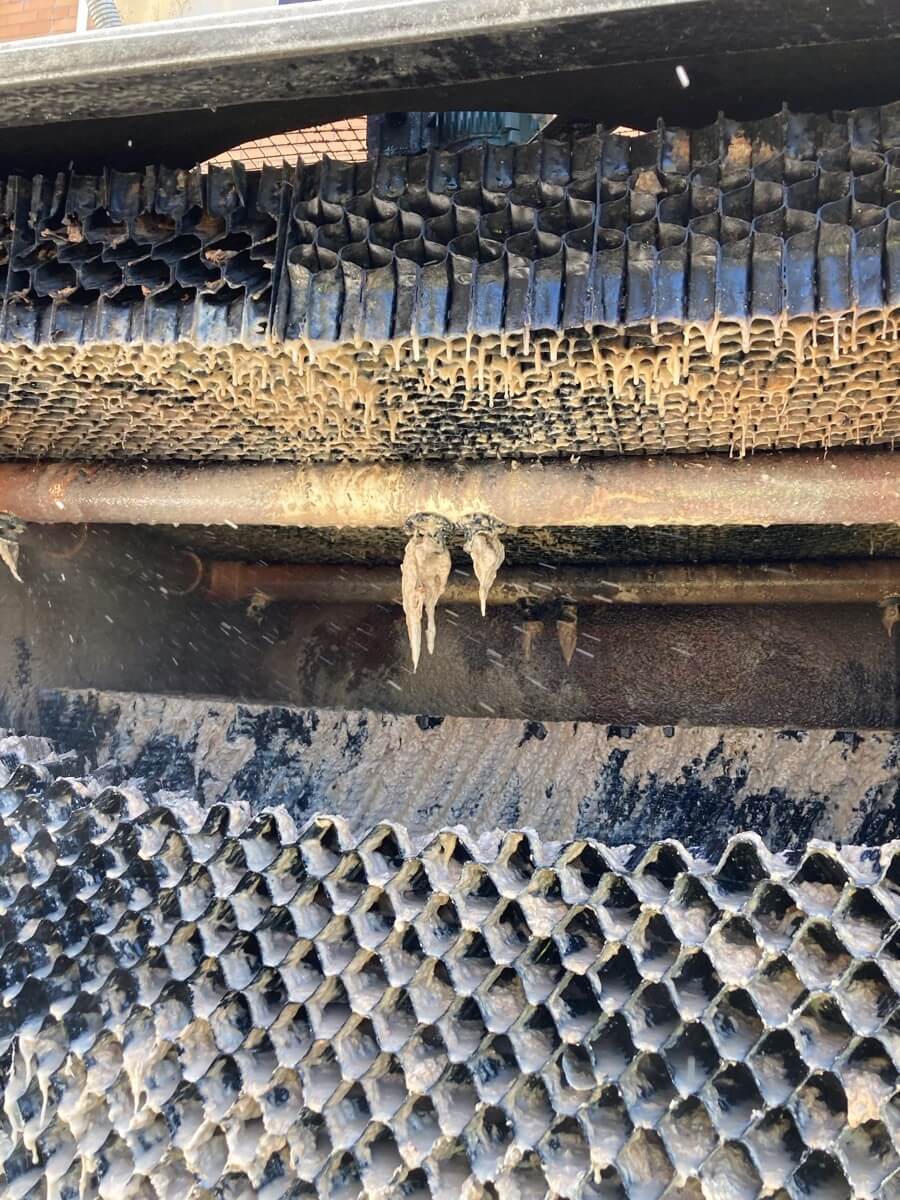
When these gaps begin to overlap, the impact becomes more noticeable in how the system performs. Recurring issues start to feel routine, with the same faults addressed repeatedly without resolving the underlying cause. What should be isolated problems gradually become part of normal operation.
Regaining control requires a more structured and proactive approach.
Rather than focusing solely on completing tasks, the emphasis shifts to understanding how the system performs over time. Test results, system behaviour, and site conditions are considered together, allowing trends to be identified early and changes addressed before they develop into larger issues.
Consistency and follow-through are equally important. Servicing is delivered as planned, identified issues are tracked through to resolution, and responsibility for outcomes remains clear. This reduces uncertainty, avoids repeated problems, and allows the water treatment provider to develop a deeper understanding of the system over time.
Compliance is managed with the same level of oversight. Requirements are understood, results are reviewed in context, and appropriate action is taken when needed. This supports more stable operation, greater clarity around system condition, and fewer unexpected problems.
In practice, this level of oversight changes how industrial water systems perform day-to-day. Issues are identified earlier, decisions are made with better context, and there is greater clarity around system condition. This leads to more stable operation and fewer unexpected problems.
Over time, these improvements become clear across several key areas:
Reliable performance in industrial water systems does not happen by chance. It comes from understanding how the system operates, recognising changes early, and maintaining a consistent approach over time. When programs are managed properly, issues are identified before they develop, decisions are made with greater confidence, and system performance remains stable.
This reduces uncertainty, makes costs easier to manage, and helps ensure compliance requirements are consistently met. With the right level of oversight and accountability, systems remain under control and continue to operate as intended, without unnecessary disruption or risk.
With the right level of oversight and accountability, systems remain under control and continue to operate as intended, without unnecessary disruption or risk.