Hidden System Corrosion When Water Looks Fine
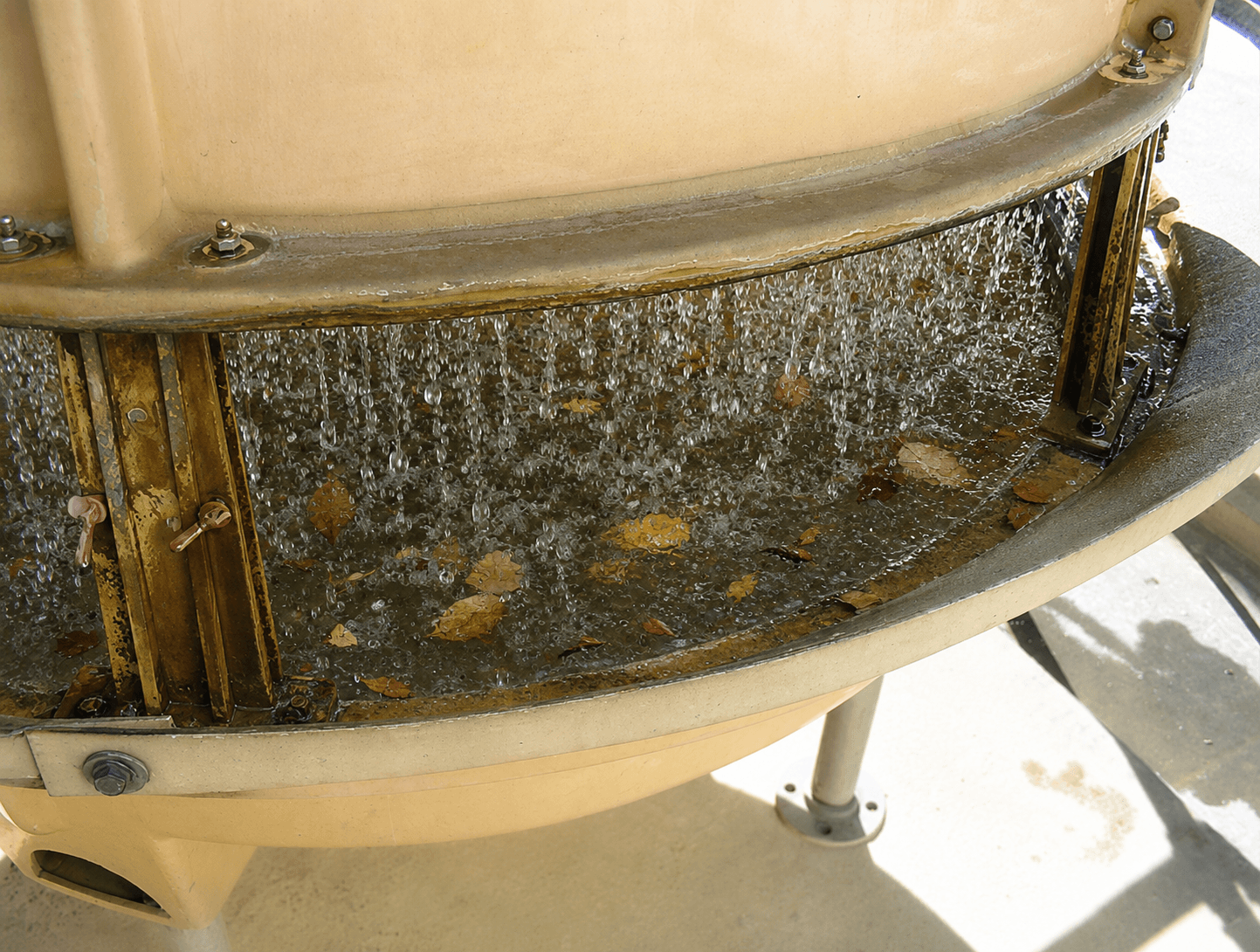
In many industrial plants, the condition of a water system is often judged by appearance. When the circulating water looks clear, it is easy to assume the system is operating well and that corrosion is not a concern. Unfortunately, water clarity can be misleading.
Corrosion can develop even when the water appears clean. Many of the factors that drive corrosion exist at the chemical or microscopic level and cannot be seen during normal inspection. Because of this, hidden corrosion in the system can develop slowly within the equipment while the water still appears perfectly acceptable. By the time visible signs begin to appear, damage may already be well established.
Understanding how this happens is important for anyone responsible for maintaining cooling towers, boilers, closed-loop systems, or condensate networks.
Why Clear Water Does Not Mean Good Water Quality
While water clarity can indicate suspended solids or contamination, it reveals very little about the chemical conditions within a system. Corrosion is driven by water chemistry rather than appearance, which means damaging conditions can develop even when the water appears clean and well-maintained.
Why Clear Water Does Not Mean Good Water Quality
While water clarity can indicate suspended solids or contamination, it reveals very little about the chemical conditions within a system. Corrosion is driven by water chemistry rather than appearance, which means damaging conditions can develop even when the water appears clean and well-maintained.
Corrosion is driven by water chemistry rather than appearance. Factors such as pH, dissolved gases, salt concentration, and chemical treatment levels all influence whether water behaves protectively or aggressively. These parameters cannot be assessed visually, which means water can appear clean while still creating conditions that allow corrosion to develop.
Because corrosion reactions occur directly on metal surfaces, the damage often develops gradually inside pipes, heat exchangers, and other equipment. Metal loss can continue for long periods without producing obvious visual changes in the circulating water.
For this reason, relying on visual inspection alone can allow hidden system corrosion to progress unnoticed. Regular water analysis and corrosion monitoring are essential for identifying these conditions before equipment damage occurs.
Corrosion is driven by water chemistry rather than appearance. Factors such as pH, dissolved gases, salt concentration, and chemical treatment levels all influence whether water behaves protectively or aggressively. These parameters cannot be assessed visually, which means water can appear clean while still creating conditions that allow corrosion to develop.
Because corrosion reactions occur directly on metal surfaces, the damage often develops gradually inside pipes, heat exchangers, and other equipment. Metal loss can continue for long periods without producing obvious visual changes in the circulating water.
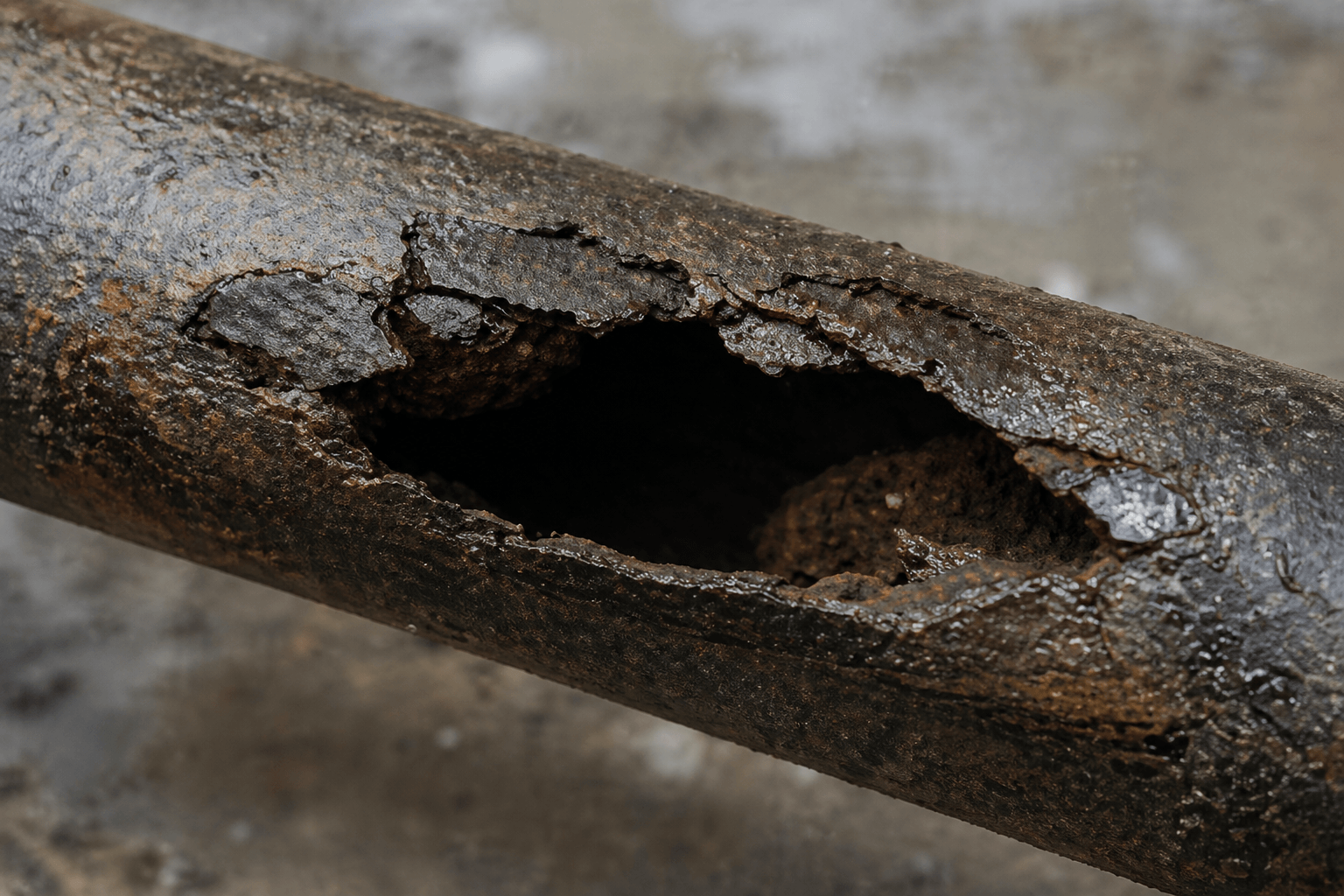
For this reason, relying on visual inspection alone can allow hidden system corrosion to progress unnoticed. Regular water analysis and corrosion monitoring are essential for identifying these conditions before equipment damage occurs.
Common Causes of Hidden System Corrosion in Industrial Systems
Once it is understood that water appearance does not reflect corrosion risk, the next step is to consider what conditions actually drive corrosion within industrial systems. Hidden system corrosion rarely develops due to a single issue. In most cases, it occurs when a combination of water chemistry and system factors creates an environment conducive to corrosion.
Several common causes are regularly observed across cooling towers, boilers, closed-loop systems, and condensate networks, each contributing to corrosion in different ways depending on system conditions.
Dissolved Oxygen
Dissolved oxygen is one of the most significant contributors to corrosion in industrial water systems.This is especially important in boilers and condensate systems, where higher temperatures increase the rate of corrosion reactions.
Low Inhibitor Levels
Corrosion inhibitors are used in water treatment programs to absorb oxygen and form a protective layer on metal surfaces.Once this occurs, corrosion can begin without any obvious visual change in the water.
Galvanic Corrosion
Galvanic corrosion occurs when different metals are present within the same system and are eithe directly connected or electrically connected through the water.In this situation, one metal effectively sacrifices itself and corrodes preferentially, while the other is protected. This type of corrosion can progress steadily in mixed-metal systems without any obvious change in the appearance of the water.
High Chloride Levels
Chlorides are commonly present in water supplies and can increase as water becomes concentrated within a system.Cooling towers are particularly susceptible to this effect due to ongoing evaporation and concentration of dissolved solids.
Microbiological Activity
Microorganisms are present in most industrial water systems, particularly in cooling towers.This can lead to localised corrosion that develops beneath the biofilm, even when the bulk water appears clean.
Under Deposit Corrosion
Deposits such as sludge, scale, or biological growth can accumulate on internal surfaces within water systems.Because this process occurs beneath the surface, it can remain undetected until damage becomes significant.
Dissolved Oxygen
Dissolved oxygen is one of the most significant contributors to corrosion in industrial water systems.This is especially important in boilers and condensate systems, where higher temperatures increase the rate of corrosion reactions.
Low Inhibitor Levels
Corrosion inhibitors are used in water treatment programs to absorb oxygen and form a protective layer on metal surfaces.Once this occurs, corrosion can begin without any obvious visual change in the water.
Galvanic Corrosion
Galvanic corrosion occurs when different metals are present within the same system and are either directly connected or electrically connected through the water.In this situation, one metal effectively sacrifices itself and corrodes preferentially, while the other is protected. This type of corrosion can progress steadily in mixed-metal systems without any obvious change in the appearance of the water.
High Chloride Levels
Chlorides are commonly present in water supplies and can increase as water becomes concentrated within a system.Cooling towers are particularly susceptible to this effect due to ongoing evaporation and concentration of dissolved solids.
Microbiological Activity
Microorganisms are present in most industrial water systems, particularly in cooling towers.This can lead to localised corrosion that develops beneath the biofilm, even when the bulk water appears clean.
Under Deposit Corrosion
Deposits such as sludge, scale, or biological growth can accumulate on internal surfaces within water systems.Because this process occurs beneath the surface, it can remain undetected until damage becomes significant.
Systems Where Hidden System Corrosion Commonly Occurs
Hidden system corrosion can develop in many types of industrial water systems. While the underlying causes are often similar, the way corrosion presents itself can vary depending on how the system operates and the conditions it is exposed to.
Understanding where corrosion is most likely to occur helps operators focus monitoring and treatment efforts where they are needed most.
Warning Signs of Hidden System Corrosion
Hidden system corrosion often develops gradually, and in many cases, the first visible signs appear only after it has been occurring for some time. Because of this, it is important to recognise the early indicators that suggest corrosion may be developing within a system, even when the water still appears clear.
Rust staining on pipework or equipment surfaces is often one of the first noticeable signs, indicating that metal is beginning to deteriorate and corrosion products are being carried through the system. Small pinhole leaks in piping or heat exchanger tubes can also develop as corrosion progresses, and these are often localised, appearing without any obvious change in overall system condition.
Sludge or metal deposits collecting in strainers or filters can indicate that corrosion products are circulating within the system. In steel systems, this may present as dark magnetite sludge. Over time, these deposits can contribute to further issues by restricting flow or creating conditions for under-deposit corrosion.
Operators may also notice a gradual decline in equipment performance. Reduced heat-transfer efficiency in boilers or heat exchangers can result from corrosion products building up on internal surfaces and interfering with normal operation. In some cases, pressure drops across equipment or restricted flow can also be observed as deposits accumulate.
Water testing can provide an early warning of corrosion before physical damage becomes obvious. Increasing levels of iron or other metals in routine test results often indicate that corrosion is occurring somewhere within the system. Unexpected failures of valves, fittings, or other components can also indicate underlying corrosion issues that have developed over time.
Recognising these warning signs early allows corrective action before corrosion leads to more serious equipment damage or unplanned downtime.
How Proper Water Treatment Prevents Hidden System Corrosion
Preventing hidden system corrosion requires a structured and consistent approach to water management. Because corrosion is driven by chemical and operating conditions that are not visible, relying solely on appearance is insufficient. A combination of monitoring, treatment, and routine system oversight is needed to maintain stable conditions and protect equipment.
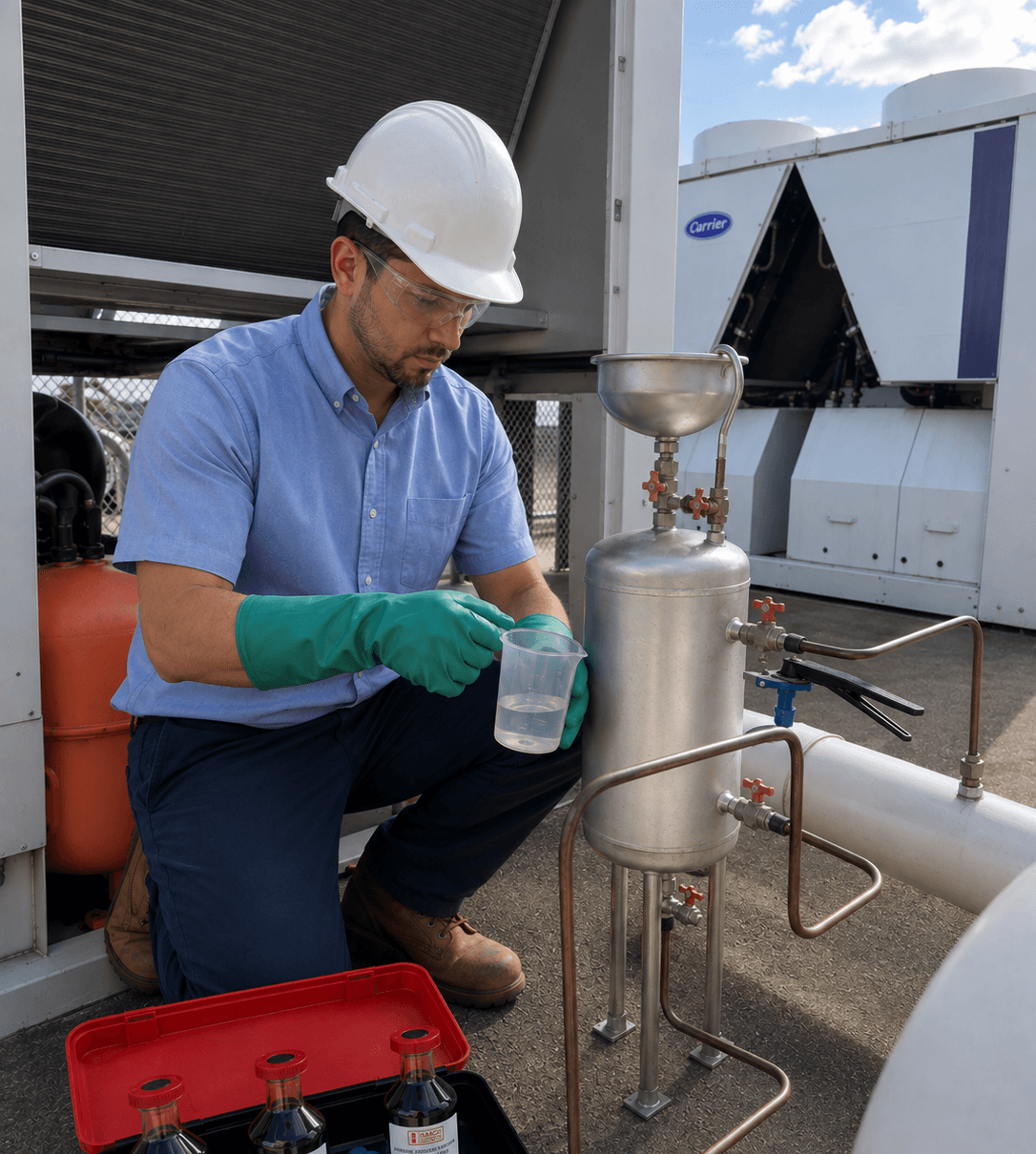
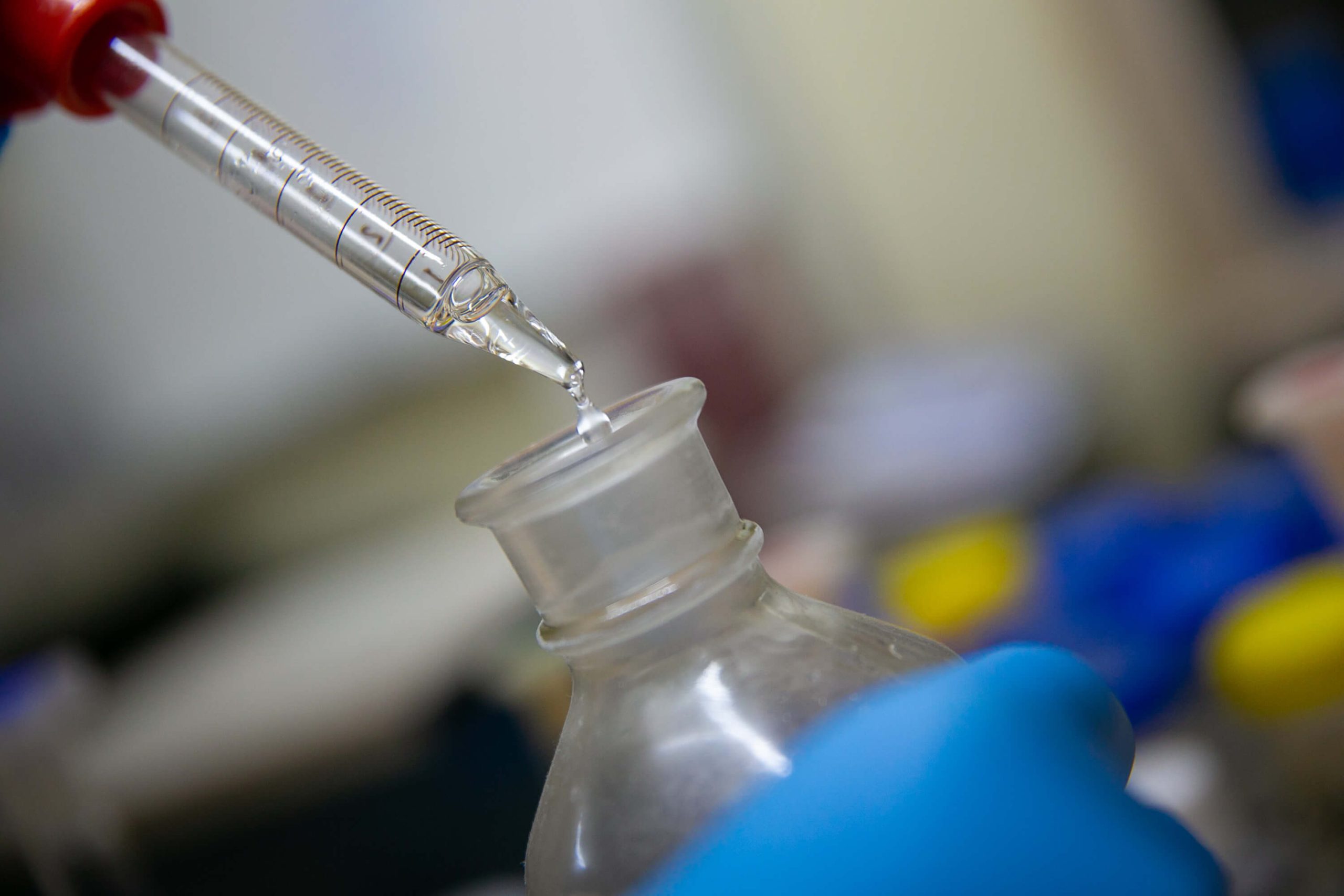
Regular water testing is one of the most important tools for identifying changes in system conditions before corrosion begins. Routine analysis of parameters such as pH, conductivity, and inhibitor levels helps confirm that treatment programs remain effective and that the water is not becoming aggressive.
How Proper Water Treatment Prevents Hidden System Corrosion
Preventing hidden system corrosion requires a structured and consistent approach to water management. Because corrosion is driven by chemical and operating conditions that are not visible, relying solely on appearance is insufficient. A combination of monitoring, treatment, and routine system oversight is needed to maintain stable conditions and protect equipment.
Regular water testing is one of the most important tools for identifying changes in system conditions before corrosion begins. Routine analysis of parameters such as pH, conductivity, and inhibitor levels helps confirm that treatment programs remain effective and that the water is not becoming aggressive.
In addition to standard chemistry testing, corrosion monitoring should form part of a comprehensive program. Monitoring methods that specifically assess corrosion indicators can detect metal loss long before visible damage occurs. Depending on the system, corrosion monitoring may include techniques such as corrosion coupons, dissolved metal analysis, or testing condensate return lines during routine boiler servicing. These indicators help identify developing corrosion before significant damage occurs.
In addition to standard chemistry testing, corrosion monitoring should form part of a comprehensive program. Monitoring methods that specifically assess corrosion indicators can detect metal loss long before visible damage occurs. Depending on the system, corrosion monitoring may include techniques such as corrosion coupons, dissolved metal analysis, or testing condensate return lines during routine boiler servicing. These indicators help identify developing corrosion before significant damage occurs.
Chemical treatment plays a central role in corrosion control. Corrosion inhibitors are used to form protective films on metal surfaces, reducing the rate of metal loss. Other treatment chemicals may be used to control dissolved oxygen or manage microbiological activity, both of which can contribute to corrosion if left untreated. Maintaining adequate chemical reserve levels consistently is critical, as even short periods of imbalance can allow corrosion to initiate.
Filtration and deposit control are also important. Removing suspended solids and preventing the buildup of sludge or scale reduces the risk of corrosion developing beneath deposits. Maintaining clean system surfaces and keeping strainers and other components free from accumulated debris allows treatment chemicals to work more effectively and helps prevent localised corrosion.
Routine servicing and inspection provide an additional layer of protection. During these visits, system conditions can be reviewed, water test results assessed, and any early signs of corrosion identified. Treatment programs can then be adjusted to suit current operating conditions and maintain effective protection.
By combining regular monitoring, corrosion-specific testing, chemical treatment, and preventative maintenance, water treatment programs help minimise corrosion risk and extend the operating life of critical industrial equipment.
Clear water does not guarantee a corrosion-free system, and hidden system corrosion can develop long before visible signs appear. Regular testing, corrosion monitoring, and effective treatment are essential to protect your equipment. If you are unsure how your system is performing, speak with the Tandex team to review your current program and identify any risks.