Regular Boiler Blowdown: The Key to Efficiency, Longevity and Safety
Running a boiler may feel like a well-rehearsed routine, but the maintenance habit that truly makes the difference is regular boiler blowdown. It is not simply another checklist item. Nor is it something our technicians raise without good reason. Blowdown is the key to maintaining healthy boiler water, protecting your equipment, and keeping your system operating at peak performance within a well-managed boiler water treatment program.
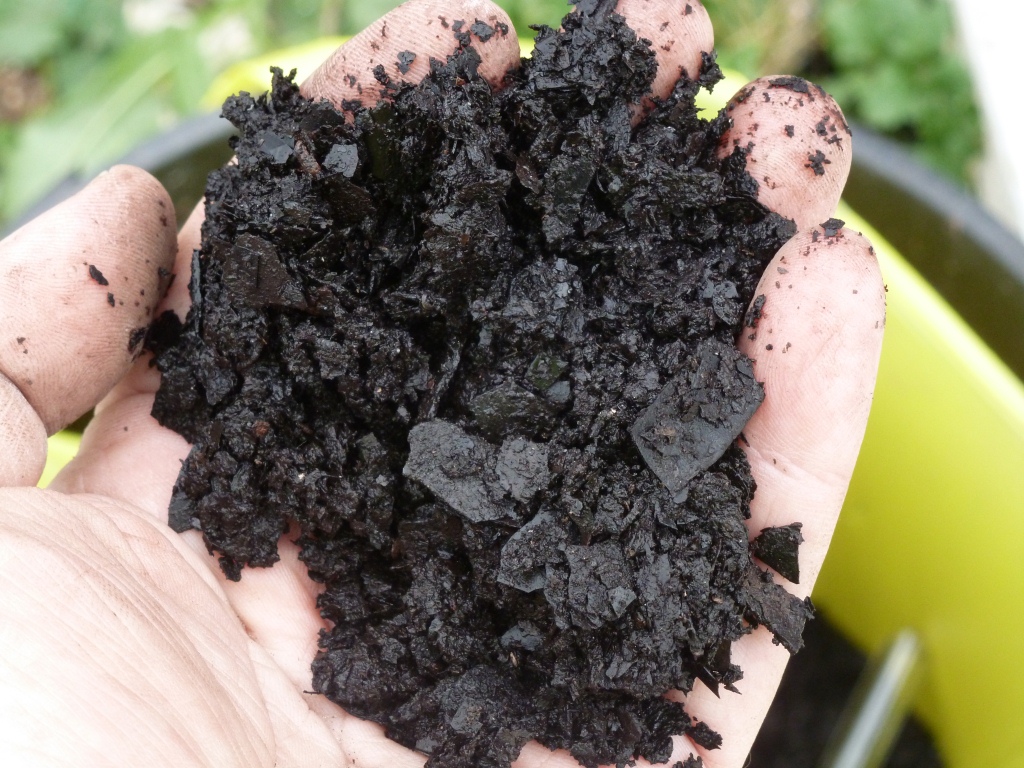
Every time water enters your boiler, it brings dissolved minerals and suspended solids, which is why proper feedwater pre-treatment can make such a difference to system performance. As the boiler generates steam, those impurities stay behind, slowly concentrating in the remaining water. As Total Dissolved Solids, or TDS, rise in the system over time, operational issues begin to emerge. When TDS gets too high, scale starts to form on heat-transfer surfaces, sludge settles at the base of the boiler, and foaming or carry-over can push water into your steam line. That contamination affects steam quality, reduces efficiency, and can even impact your end product. In short, if you don’t control TDS, the boiler works harder, burns more fuel, and risks unplanned downtime.
That’s why boiler blowdown is so important. By releasing a small amount of water from the boiler, you remove those impurities before they cause damage. Although the process is straightforward, it plays a critical role in protecting your investment, improving fuel efficiency and extending the life of your system.
That’s why boiler blowdown is so important. By releasing a small amount of water from the boiler, you remove those impurities before they cause damage. Although the process is straightforward, it plays a critical role in protecting your investment, improving fuel efficiency and extending the life of your system.
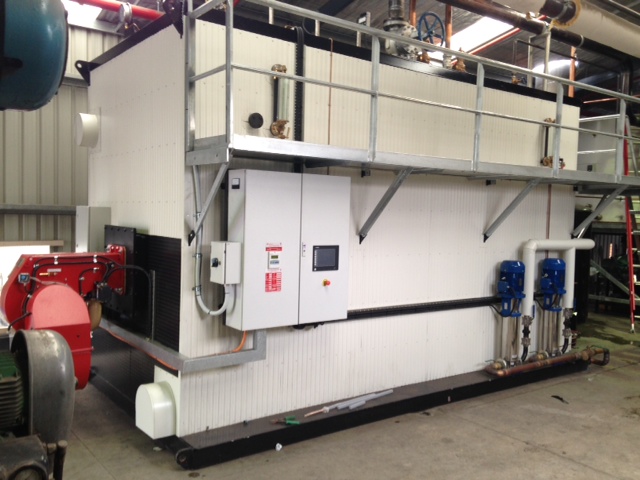
At Tandex, we typically recommend keeping boiler water within a target range of 1,500–1,800 ppm TDS, which helps maintain a balance between water quality and efficiency. Regular blowdown, paired with the right boiler treatment program, is the most effective way to achieve this. Where manual bottom blowdown is performed, timing can also make a significant difference. The most effective time to remove sludge is after the boiler has been taken offline and water circulation has slowed, allowing suspended solids to settle to the bottom of the boiler. Removing this settled material before the boiler returns to service helps reduce deposits on heating surfaces and improves overall water cleanliness. A good treatment program also slows the build-up of dissolved and suspended solids, meaning you can blow down less often while maintaining good water quality. This reduces water, chemical and energy losses, contributing to lower operating costs over time.
At Tandex, we typically recommend keeping boiler water within a target range of 1,500–1,800 ppm TDS, which helps maintain a balance between water quality and efficiency. Regular blowdown, paired with the right boiler treatment program, is the most effective way to achieve this. Where manual bottom blowdown is performed, timing can also make a significant difference. The most effective time to remove sludge is after the boiler has been taken offline and water circulation has slowed, allowing suspended solids to settle to the bottom of the boiler. Removing this settled material before the boiler returns to service helps reduce deposits on heating surfaces and improves overall water cleanliness. A good treatment program also slows the build-up of dissolved and suspended solids, meaning you can blow down less often while maintaining good water quality. This reduces water, chemical and energy losses, contributing to lower operating costs over time.
You might also hear our technicians mention automatic boiler blowdown systems. These can be either conductivity-controlled (responding to TDS readings) or time-based (operating on a scheduled interval and duration set by a controller). Automatic systems remove guesswork from the process. They ensure blowdown occurs consistently and precisely, even as operating conditions vary. They’re particularly useful for multi-shift sites or systems with fluctuating steam loads. Manual bottom blowdown, however, may still be required to remove settled sludge depending on the boiler design and operating conditions.
You might also hear our technicians mention automatic boiler blowdown systems. These can be either conductivity-controlled (responding to TDS readings) or time-based (operating on a scheduled interval and duration set by a controller). Automatic systems remove guesswork from the process. They ensure blowdown occurs consistently and precisely, even as operating conditions vary. They’re particularly useful for multi-shift sites or systems with fluctuating steam loads. Manual bottom blowdown, however, may still be required to remove settled sludge depending on the boiler design and operating conditions.
When our team reminds you to complete your blowdowns, it is not nagging. It is genuine preventative care. Boiler blowdown isn’t about making work; it’s about keeping your system reliable, safe, and efficient for years to come. To put it simply:
If you’d like help reviewing your blowdown routine or understanding whether an automatic system would suit your site, our team can help. Visit our Boiler Solutions page for more information or contact us to speak directly with a Tandex technician.