Why You Should Include a Carbon Filter in Your Water Treatment System
In industrial water treatment, softeners are often the first line of defence against scale and mineral deposits. By preventing calcium and magnesium from fouling boiler tubes, heat exchangers and process equipment, they play an essential role in maintaining efficient boiler water treatment performance. But hardness isn’t the only risk present in raw water. Most municipal and bore supplies also contain chlorine, chloramines, organic compounds, and other oxidants used for disinfection. These residuals can damage softener resin, corrode equipment, and undermine downstream chemical treatment programs. That’s where installing a carbon filter in water treatment adds measurable value. As an essential pre-treatment, it protects the softener, improves boiler feedwater quality and contributes to longer system life and improved plant-wide performance.
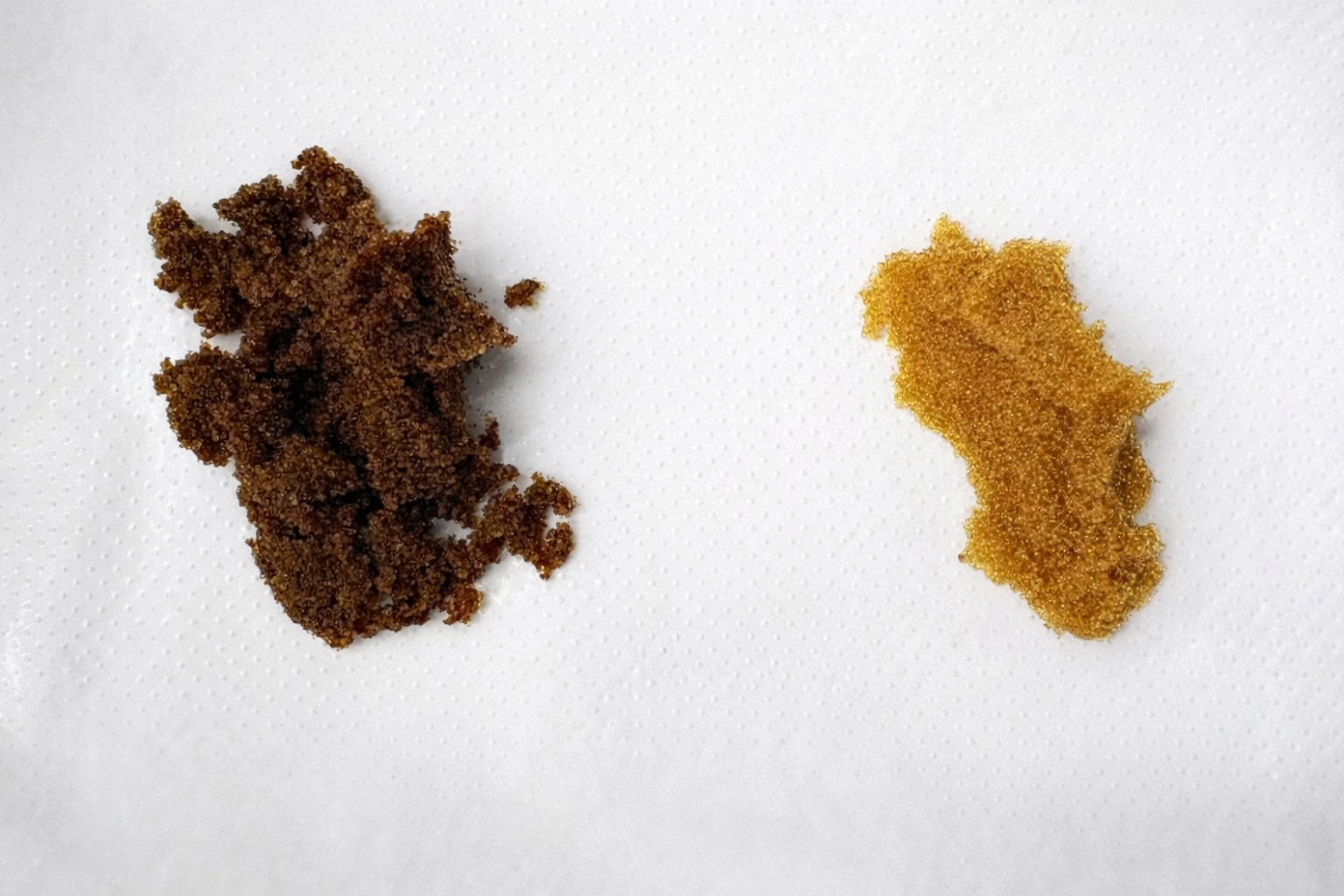
Softener resin: degraded vs new
Understanding the Limits of a Softener
A water softener plays a vital role in industrial systems, using ion exchange to remove hardness ions such as calcium and magnesium. This process prevents scale build-up inside boilers and pipework, maintaining heat transfer efficiency and helping reduce energy waste.
However, softeners have their limits. These systems effectively remove hardness but do not address oxidising chemicals, organic material or chlorine residuals that are typically found in disinfected municipal supplies. Over time, these compounds can gradually attack the softener’s resin bed, shortening its lifespan and reducing exchange efficiency. The result is higher salt use, inconsistent softening performance, and the potential for unwanted by-products in your boiler feedwater.
Without an upstream barrier, the softener ends up carrying the full chemical load of the incoming supply. Many facilities now incorporate a carbon filtration stage ahead of softening to remove oxidants that the softener is not designed to handle.
Understanding the Limits of a Softener
A water softener plays a vital role in industrial systems, using ion exchange to remove hardness ions such as calcium and magnesium. This process prevents scale build-up inside boilers and pipework, maintaining heat transfer efficiency and helping reduce energy waste.
However, softeners have their limits. These systems effectively remove hardness but do not address oxidising chemicals, organic material or chlorine residuals that are typically found in disinfected municipal supplies. Over time, these compounds can gradually attack the softener’s resin bed, shortening its lifespan and reducing exchange efficiency. The result is higher salt use, inconsistent softening performance, and the potential for unwanted by-products in your boiler feedwater.
Without an upstream barrier, the softener ends up carrying the full chemical load of the incoming supply. Many facilities now incorporate a carbon filtration stage ahead of softening to remove oxidants that the softener is not designed to handle.
How Carbon Filtration Strengthens the Entire Treatment Train
A carbon filter in water treatment complements a softener by tackling what ion exchange can’t. Activated carbon works by adsorbing chlorine, chloramines, volatile organic compounds (VOCs), and other trace organics before they reach downstream equipment.
By removing these oxidants, carbon filtration prevents resin degradation and extends the working life of the softener, in many cases by two to three times its normal service interval. That not only saves on resin replacement costs but also helps maintain consistent exchange efficiency over the long term.
Carbon filtration also improves the chemical balance of your feedwater. With fewer oxidants and organics, there’s less chemical demand on oxygen scavengers and neutralising agents, and less chance of corrosion in mild-steel pipework, valves, or boiler internals. The water entering your softener is cleaner, which means the water leaving it is more stable and predictable.
When carbon filtration is followed by softening, the result is a treatment train that provides cleaner boiler feedwater, more stable boiler chemistry and fewer unplanned maintenance events. It’s a simple change that can have a big impact on performance, reliability, and compliance.
How Carbon Filtration Strengthens the Entire Treatment Train
A carbon filter in water treatment complements a softener by tackling what ion exchange can’t. Activated carbon works by adsorbing chlorine, chloramines, volatile organic compounds (VOCs), and other trace organics before they reach downstream equipment.
By removing these oxidants, carbon filtration prevents resin degradation and extends the working life of the softener, in many cases by two to three times its normal service interval. That not only saves on resin replacement costs but also helps maintain consistent exchange efficiency over the long term.
Carbon filtration also improves the chemical balance of your feedwater. With fewer oxidants and organics, there’s less chemical demand on oxygen scavengers and neutralising agents, and less chance of corrosion in mild-steel pipework, valves, or boiler internals. The water entering your softener is cleaner, which means the water leaving it is more stable and predictable.
When carbon filtration is followed by softening, the result is a treatment train that provides cleaner boiler feedwater, more stable boiler chemistry and fewer unplanned maintenance events. It’s a simple change that can have a big impact on performance, reliability, and compliance.
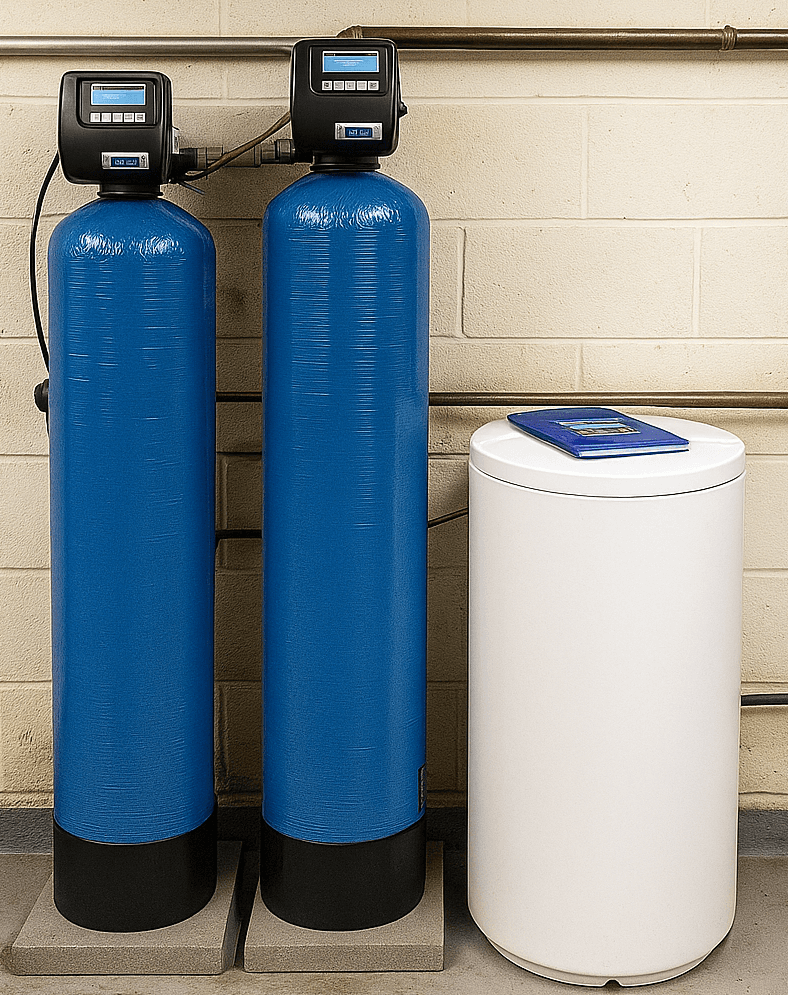
Adding a carbon filter to your treatment system goes beyond equipment protection. It optimises every part of the process. Facilities that implement this step often see immediate, measurable improvements in performance and cost efficiency.
Consistent process and product quality
For food and manufacturing sites, stable water quality supports consistent product outcomes and compliance with supplier standards, helping maintain customer confidence.
Improved boiler efficiency
Removing oxidants and organics helps maintain clean heat-transfer surfaces. Less scale means lower fuel use, steadier operation, and improved overall energy efficiency.
Extended softener resin life
Chlorine and oxidants break down resin beads over time. Carbon filtration removes these before they reach the softener, extending resin life two to three times and keeping exchange efficiency consistent.
Reduced chemical usage
Cleaner water entering the system means less chemical demand downstream. Oxygen scavengers, neutralisers, and inhibitors last longer, reducing chemical consumption without compromising boiler protection.
Less downtime and maintenance
Stable feedwater chemistry reduces corrosion, scale, and unplanned shutdowns. Systems run longer between cleans,saving labour hours and minimising production interruptions.
Lower total cost of ownership
Extended resin life, lower energy use, and fewer maintenance interventions quickly offset installation costs. Most sites recover the investment within their first maintenance cycle.
Consistent process and product quality
For food and manufacturing sites, stable water quality supports consistent product outcomes and compliance with supplier standards, helping maintain customer confidence.
Improved boiler efficiency
Removing oxidants and organics helps maintain clean heat-transfer surfaces. Less scale means lower fuel use, steadier operation, and improved overall energy efficiency.
Extended softener resin life
Chlorine and oxidants break down resin beads over time. Carbon filtration removes these before they reach the softener, extending resin life two to three times and keeping exchange efficiency consistent.
Reduced chemical usage
Cleaner water entering the system means less chemical demand downstream. Oxygen scavengers, neutralisers, and inhibitors last longer, reducing chemical consumption without compromising boiler protection.
Less downtime and maintenance
Stable feedwater chemistry reduces corrosion, scale, and unplanned shutdowns. Systems run longer between cleans,saving labour hours and minimising production interruptions.
Lower total cost of ownership
Extended resin life, lower energy use, and fewer maintenance interventions quickly offset installation costs. Most sites recover the investment within their first maintenance cycle.
This approach is particularly valuable when your incoming water supply contains chlorine or chloramine residuals (as most municipal systems do), when your site operates high-pressure boilers, or when downtime carries a high production cost. It’s also beneficial for facilities that have experienced premature resin degradation or fluctuating softener performance. Facilities operating long established softeners often achieve improved output stability, lower salt consumption and stronger compliance outcomes by incorporating carbon filtration. This aligns with the best practice methodology applied across our industrial service programs.
Whether you’re assessing an existing system or planning a new installation, the key advantages of adding a carbon filter are easy to identify. The main points are summarised below:
While a water softener protects against hardness, it does not prevent oxidants from gradually degrading resin and equipment over time. Adding a carbon filter in water treatment provides the missing protection layer, ensuring that both the softener and the boiler receive consistently clean, chemically stable water. For industrial sites, this combination is a small investment that delivers long-term returns in reliability, efficiency, and peace of mind. For more information on optimising system design, explore our insights on water pre-treatment and filtration or contact our team to arrange a review of your current setup.