Why Seasonal Transitions Challenge Cooling Tower Bacteria Control
Many cooling tower operators notice that microbiological test results become more variable during Autumn and Spring. Stable HCC results may begin to fluctuate or, in some cases, a Legionella detection may occur despite no obvious changes to the system.
In temperate parts of Australia, these seasonal transition periods often coincide with changing weather patterns, shifting building demands, and varying cooling tower operation. While seasonal transitions do not directly cause Legionella growth or increase cooling tower bacteria, they can combine a range of environmental and operational factors that make microbiological control more challenging. The timing, extent and impact of these influences will vary between locations and individual systems.
Understanding these seasonal influences helps explain why microbiological results often become more variable and why a proactive approach to water treatment is particularly important in these transitional seasons.
Why Seasonal Transitions Can Make Cooling Towers More Challenging
Water treatment programs are designed around the conditions under which a cooling tower operates. During the peak of summer and winter, those conditions are often relatively stable, allowing the treatment program to establish and maintain consistent microbiological control.
Seasonal transitions differ because the cooling tower operates in a less predictable environment. As conditions become less stable, maintaining consistent microbiological control can become more challenging. This does not mean that microbiological problems are inevitable, but it does mean the treatment program may need to adapt as the system moves through the transition period. A treatment program that performs consistently under stable conditions may therefore require review as those conditions begin to change.
What Changes During Seasonal Transitions?
Several aspects of cooling tower operation can begin changing during seasonal transitions. While each may have only a small influence on the system, together they can affect the conditions the water treatment program is designed to manage.
Several aspects of cooling tower operation can begin changing during seasonal transitions. While each may have only a small influence on the system, together they can affect the conditions the water treatment program is designed to manage.
One of the first changes is often how the cooling tower operates. Fluctuating heat loads, more frequent start-and-stop cycles, varying water circulation, and periods of reduced demand can all alter water temperatures and system behaviour. As the cooling tower responds to these changing operating patterns, the treatment program may also need to be adjusted to maintain effective microbiological control.
One of the first changes is often how the cooling tower operates. Fluctuating heat loads, more frequent start-and-stop cycles, varying water circulation, and periods of reduced demand can all alter water temperatures and system behaviour. As the cooling tower responds to these changing operating patterns, the treatment program may also need to be adjusted to maintain effective microbiological control.
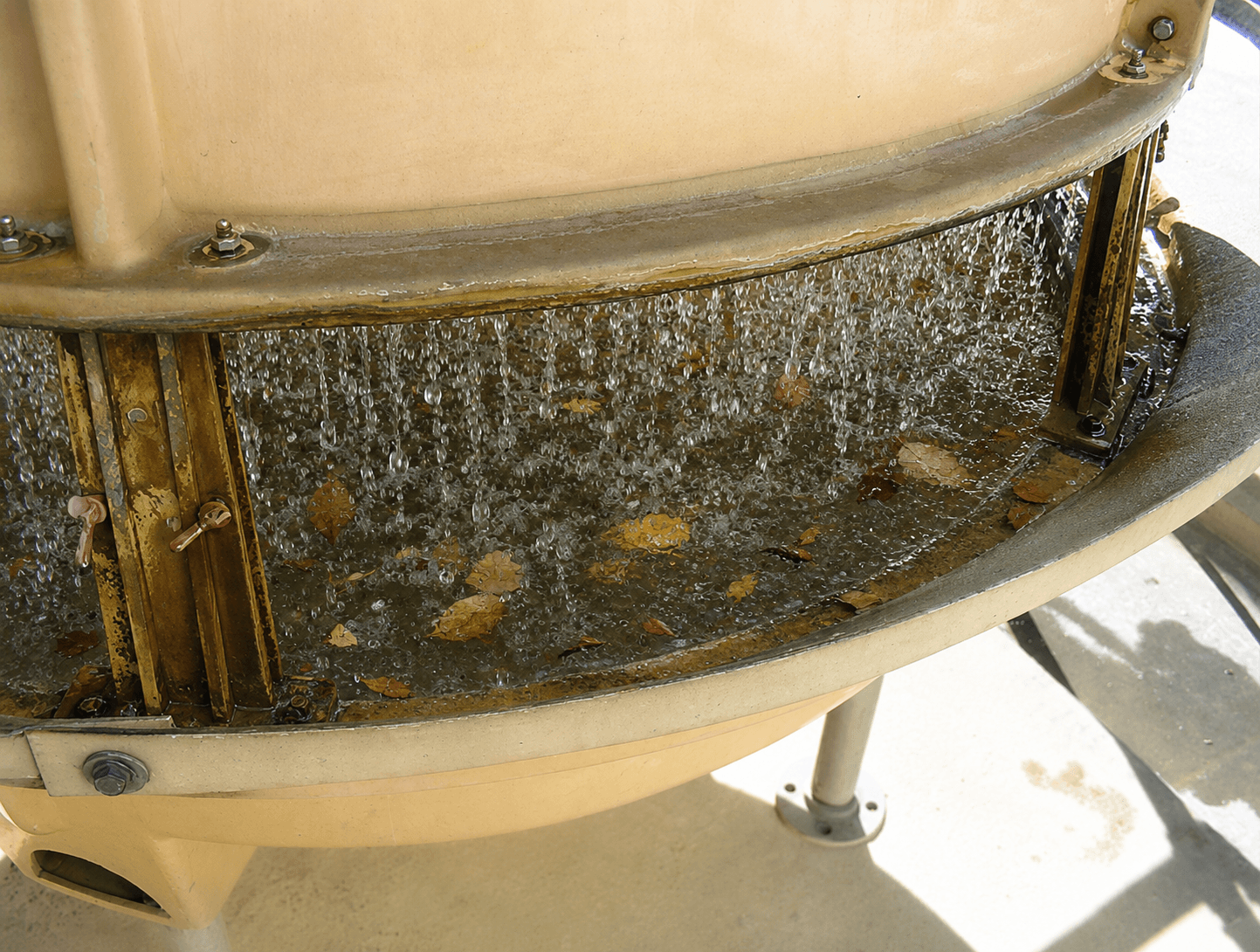
The surrounding environment also becomes more variable. Rainfall can dilute treatment chemicals, while wind may carry dust, pollen, leaves, and other organic material into the cooling tower. This additional contamination increases the demand placed on the treatment program and can provide a greater source of nutrients for naturally occurring microorganisms.
Water chemistry may also fluctuate as evaporation rates, make-up water requirements, and overall system operation continue to change. Conditions that supported stable microbiological control only weeks earlier may no longer require the same treatment approach, making ongoing monitoring and adjustment particularly important during these periods.
The surrounding environment also becomes more variable. Rainfall can dilute treatment chemicals, while wind may carry dust, pollen, leaves, and other organic material into the cooling tower. This additional contamination increases the demand placed on the treatment program and can provide a greater source of nutrients for naturally occurring microorganisms.
Water chemistry may also fluctuate as evaporation rates, make-up water requirements, and overall system operation continue to change. Conditions that supported stable microbiological control only weeks earlier may no longer require the same treatment approach, making ongoing monitoring and adjustment particularly important during these periods.
Staying Ahead of Seasonal Changes
Seasonal transitions are most effectively managed through a proactive approach rather than a reactive one. Keeping your water treatment provider informed of changes to operating hours, reduced building occupancy, equipment shutdowns, or maintenance activities allows them to review whether the treatment program remains appropriate before those operational changes begin to affect system performance.
Combined with routine monitoring and regular system inspections, this communication enables the treatment program to adapt alongside changing operating conditions. Where maintenance, cleaning, or treatment adjustments are recommended, completing them promptly helps maintain consistent microbiological control throughout the transition period.
Seasonal transitions challenge cooling tower bacteria control not because they automatically promote microbiological growth, but because they introduce a range of environmental and operational changes that can alter the conditions within the system over a relatively short period. Understanding these influences and responding proactively helps maintain more consistent microbiological control while reducing the likelihood of unexpected results.
If you would like to learn more about preparing your cooling tower for seasonal transitions or discuss how your current water treatment program can be optimised, contact the experienced team at Tandex. We can help ensure your cooling tower remains safe, reliable and compliant throughout the changing seasons.