Why Closed-Loop Water Treatment Still Matters
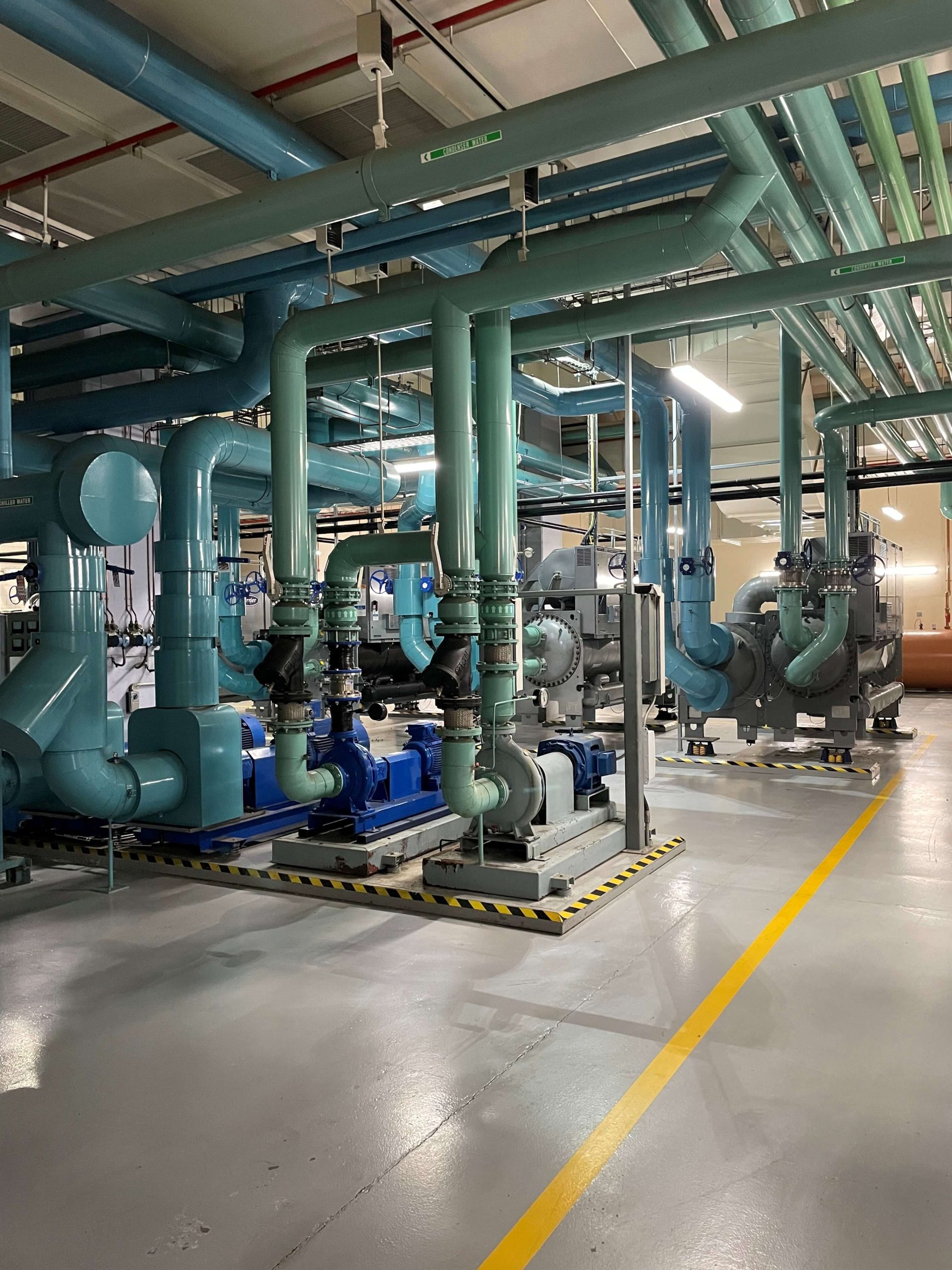
Closed-loop systems are often regarded as virtually maintenance-free. Because the same water continually recirculates through a sealed system, it’s easy to assume that once the system has been filled and chemically treated, the water will continue protecting the system indefinitely. It’s an understandable assumption. Unlike open systems such as cooling towers, closed-loop systems aren’t continually exposed to the atmosphere or losing water through evaporation, so they generally experience fewer water quality issues and operate with greater stability.
However, the same water doesn’t always mean the same water quality. Although changes often occur gradually and out of sight, the condition of the water inside a closed-loop system does not remain constant indefinitely. Understanding how water quality changes over time makes it much easier to understand why ongoing water treatment remains important.
Closed-loop systems are often regarded as virtually maintenance-free. Because the same water continually recirculates through a sealed system, it’s easy to assume that once the system has been filled and chemically treated, the water will continue protecting the system indefinitely. It’s an understandable assumption. Unlike open systems such as cooling towers, closed-loop systems aren’t continually exposed to the atmosphere or losing water through evaporation, so they generally experience fewer water quality issues and operate with greater stability.
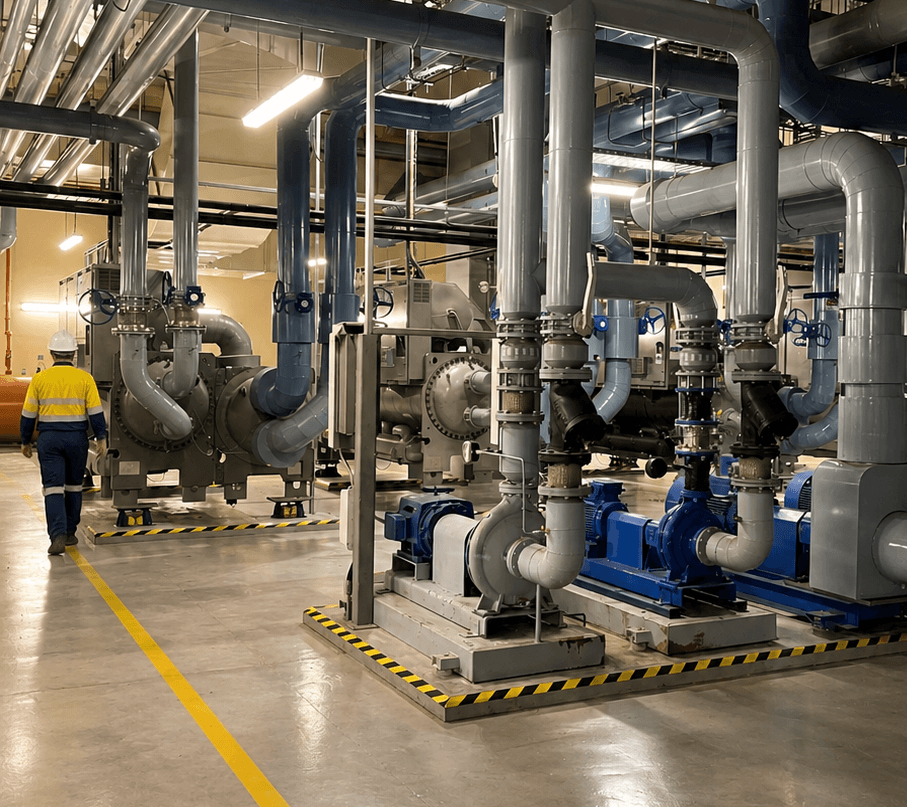
However, the same water doesn’t always mean the same water quality. Although changes often occur gradually and out of sight, the condition of the water inside a closed-loop system does not remain constant indefinitely. Understanding how water quality changes over time makes it much easier to understand why ongoing water treatment remains important.
Why Water Quality Changes Over Time
Although closed-loop systems are designed to retain the same water for long periods, they are not completely isolated from change. The water inside the system does more than transfer heat. It also creates a protective environment for the equipment it passes through, and that environment gradually changes as the system operates.
Some changes are simply part of normal operation. Minor water losses may require occasional top-ups, maintenance activities often involve opening the system, and repairs or equipment upgrades can introduce fresh water, oxygen, or other contaminants. At the same time, the treatment chemicals that help maintain this protective environment gradually become depleted, reducing their ability to provide the intended level of protection.
Individually, these changes are usually small. Over months or years, however, they can accumulate and alter the condition of the system water. Without appropriate management, the water may eventually begin contributing to system deterioration rather than helping prevent it, increasing the likelihood of developing closed-loop problems that affect performance and equipment condition.
Common Misconceptions About Closed-Loop Systems
Many closed-loop systems receive little attention after they have been commissioned. Often, this isn’t because maintenance has been intentionally neglected, but because of a few common misconceptions about how closed-loop systems behave over time. Understanding these misconceptions helps explain why ongoing water treatment remains an important part of long-term system care.
It's a sealed system, so nothing changes.
The water was treated when the system was installed.
The water looks clean, so everything must be fine.
We'll only test it if there's a problem.
What Happens When Water Quality Isn’t Managed
As water conditions gradually change, the system’s ability to protect itself also begins to decline. This doesn’t usually happen overnight. In many cases, deterioration develops slowly, with little indication that anything is wrong until performance or equipment condition is affected.
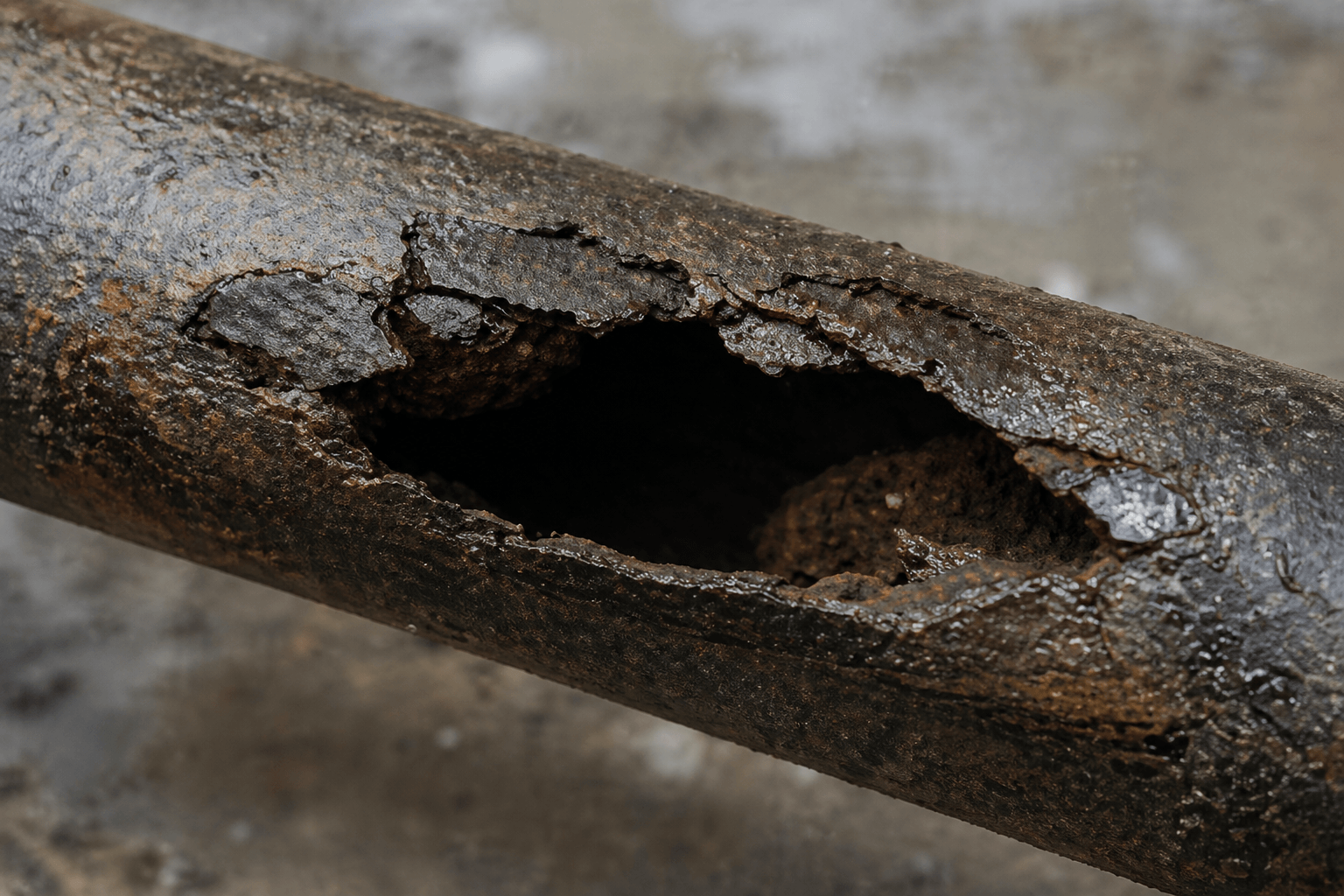
Depending on the system design and the changes occurring within the water, a range of issues can develop. Hidden system corrosion may begin attacking metal surfaces from the inside, suspended solids and deposits can accumulate within pipework and equipment, and some systems may also become susceptible to microbiological growth. Individually, these issues can reduce efficiency, increase maintenance requirements, or shorten equipment life. Together, they can significantly affect the long-term performance of the system.
The specific problems that develop will vary between systems and operating conditions, but they all have one thing in common: they begin with changes in water quality. Understanding these risks is the first step towards preventing them.
What Does a Closed Loop Water Treatment Programme Involve?
What Does a Closed Loop Water Treatment Programme Involve?
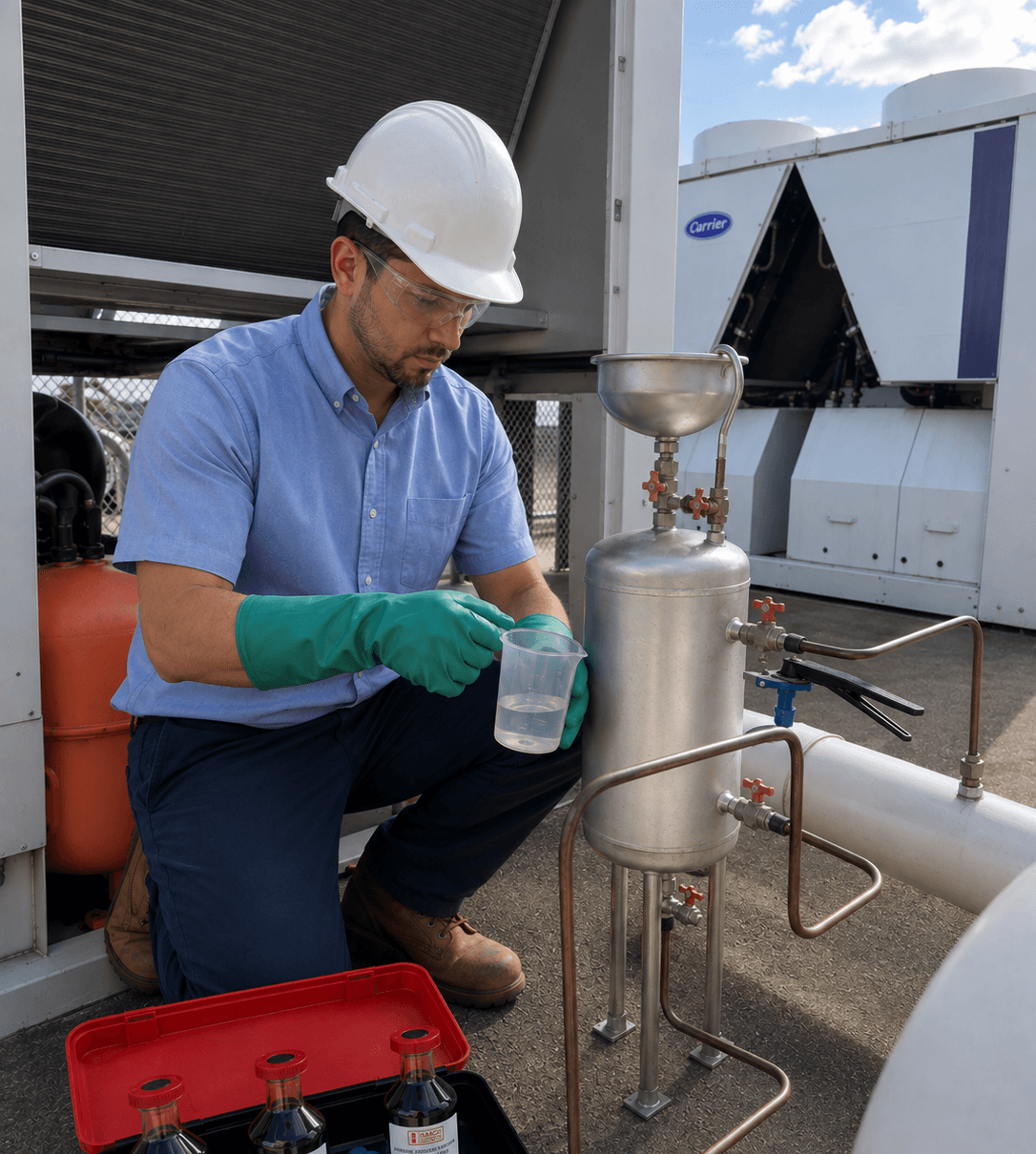
An effective closed-loop water treatment programme is built around understanding how water conditions change over time. Rather than waiting for issues to become apparent, regular monitoring provides an ongoing picture of system health, allowing treatment to be adjusted as conditions change.
Depending on the system design and operating conditions, routine testing may include parameters such as pH, conductivity, inhibitor concentration, iron, copper, and suspended solids. Looking at these results over time is often just as important as the individual results themselves, helping identify gradual trends that might otherwise go unnoticed.
Using this information, treatment can be adjusted to maintain appropriate inhibitor levels, correct changes in water chemistry, and preserve the protective environment within the system. While every closed loop system is different, the objective remains the same: ensuring the water continues to protect the system throughout its operation, rather than contributing to its deterioration.
An effective closed-loop water treatment programme is built around understanding how water conditions change over time. Rather than waiting for issues to become apparent, regular monitoring provides an ongoing picture of system health, allowing treatment to be adjusted as conditions change.
Depending on the system design and operating conditions, routine testing may include parameters such as pH, conductivity, inhibitor concentration, iron, copper, and suspended solids. Looking at these results over time is often just as important as the individual results themselves, helping identify gradual trends that might otherwise go unnoticed.
Using this information, treatment can be adjusted to maintain appropriate inhibitor levels, correct changes in water chemistry, and preserve the protective environment within the system. While every closed loop system is different, the objective remains the same: ensuring the water continues to protect the system throughout its operation, rather than contributing to its deterioration.
Protecting Your Closed-Loop System for the Long Term
Closed-loop systems are often expected to operate reliably for many years with minimal disruption. Achieving that level of reliability depends not only on the equipment itself, but also on implementing an effective closed-loop water treatment solution. While changes in water quality may occur gradually and out of sight, their impact on system performance can become significant if left unmanaged.
Taking a proactive approach helps keep maintenance predictable. By identifying and correcting changes before they develop into larger issues, maintenance can often be planned around normal operating schedules rather than being driven by unexpected failures or costly downtime.
Over the long term, maintaining good water quality supports efficient operation, helps protect valuable equipment, and maximises the service life of the system. Although no treatment programme can eliminate every risk, consistent water management plays an important role in keeping closed loop systems operating as intended.
Closed-loop systems may continue circulating the same water for many years, but maintaining that water quality helps keep the system performing at its best. Contact Tandex to discuss your closed-loop system and learn how our closed-loop water treatment solutions can help protect your equipment and support reliable long-term performance.